
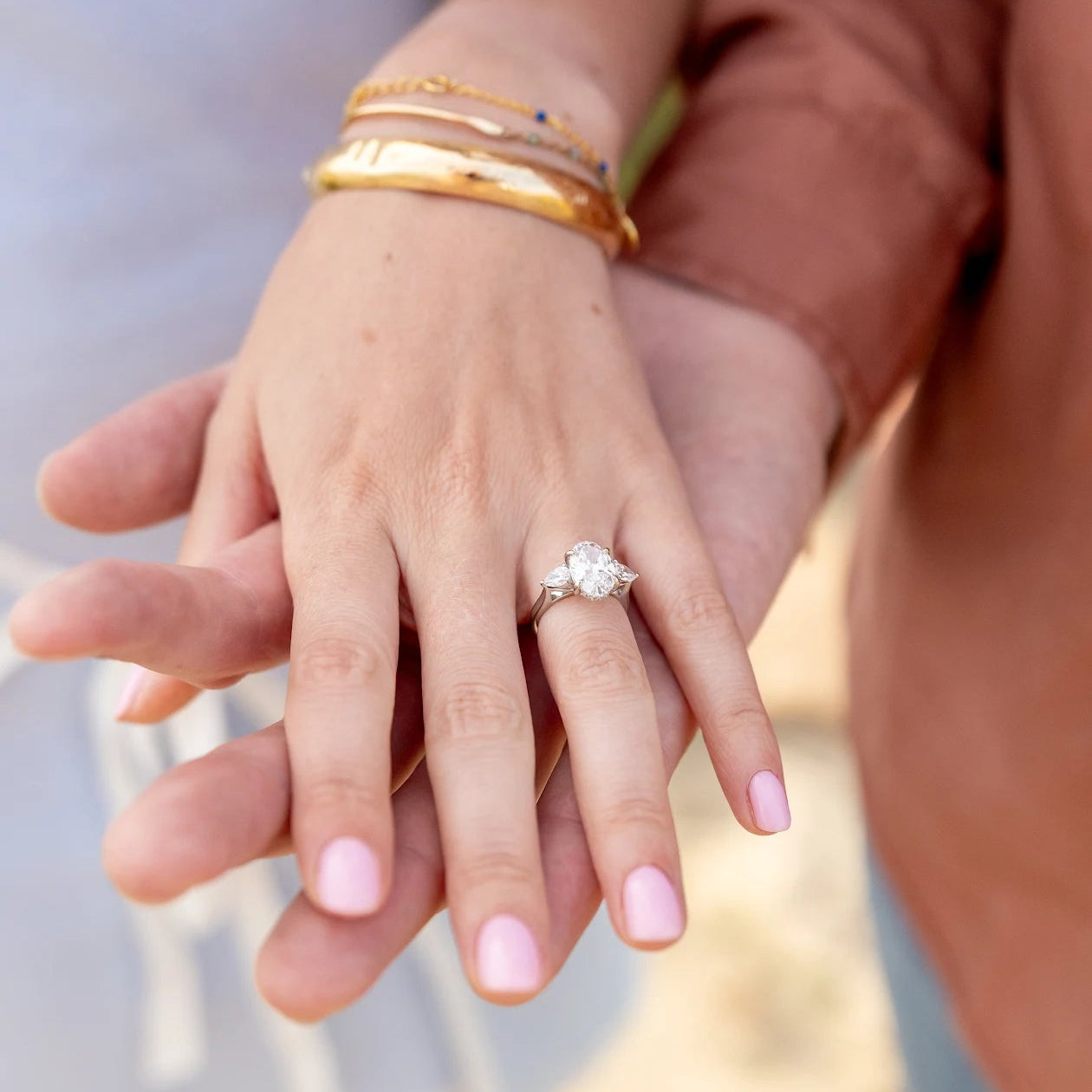
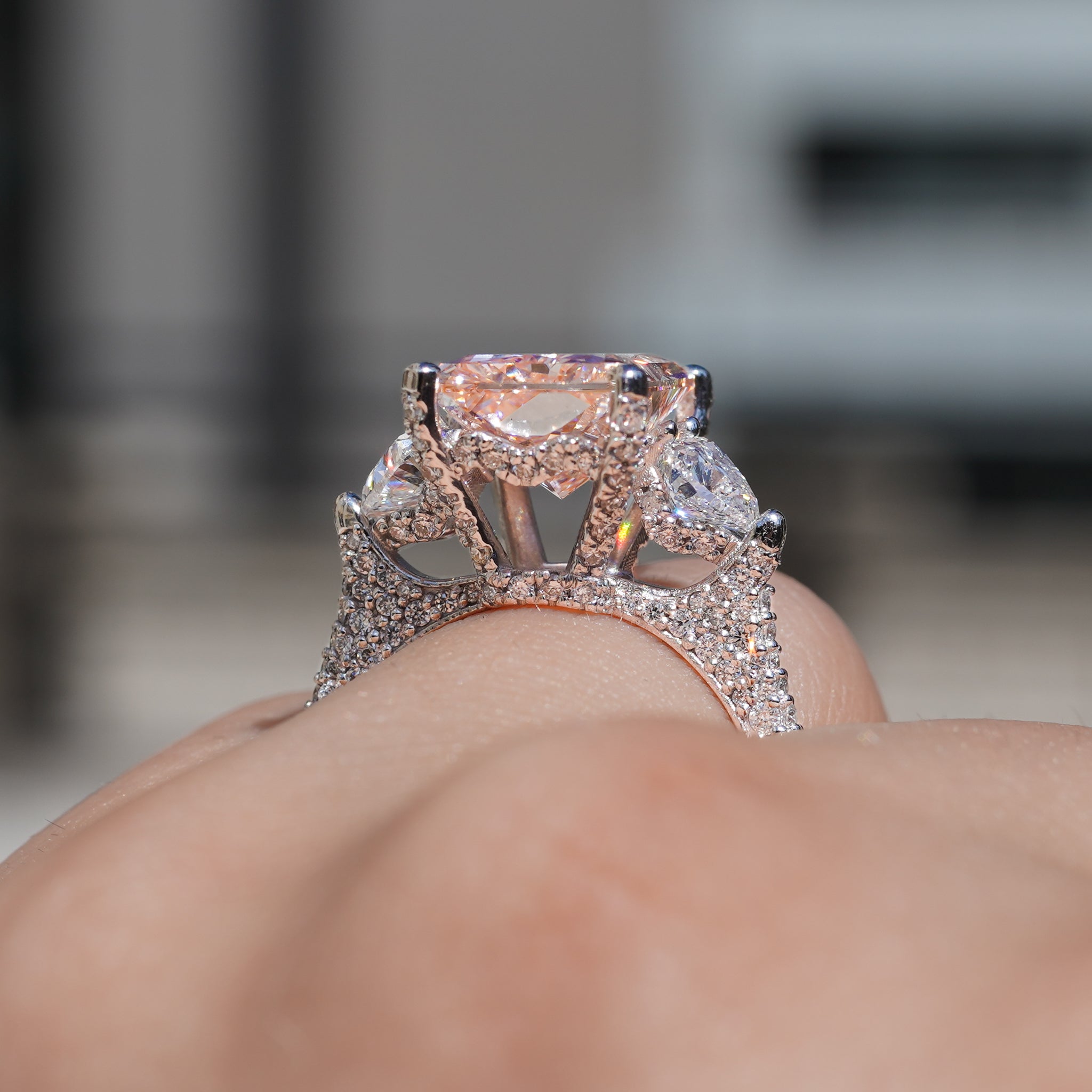
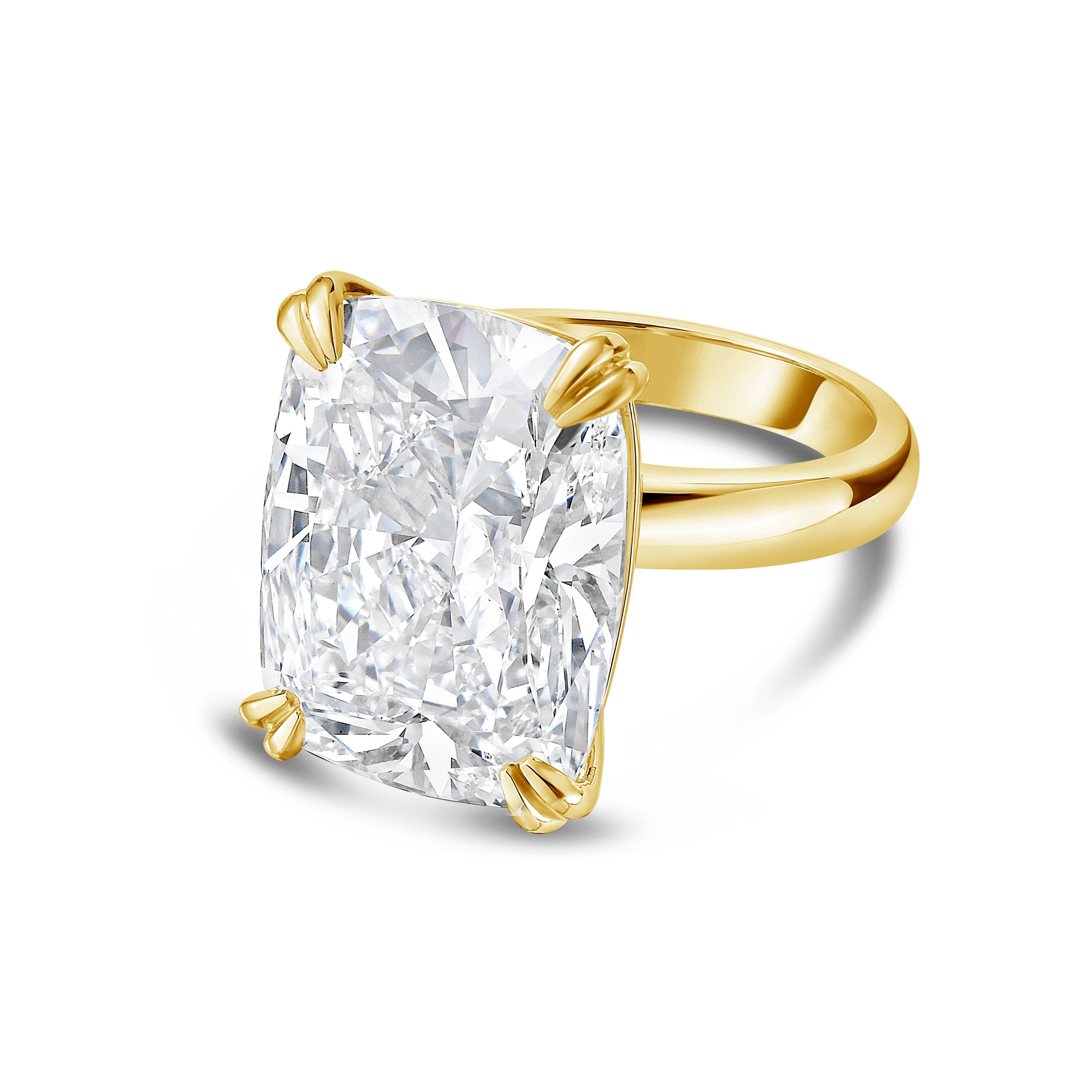
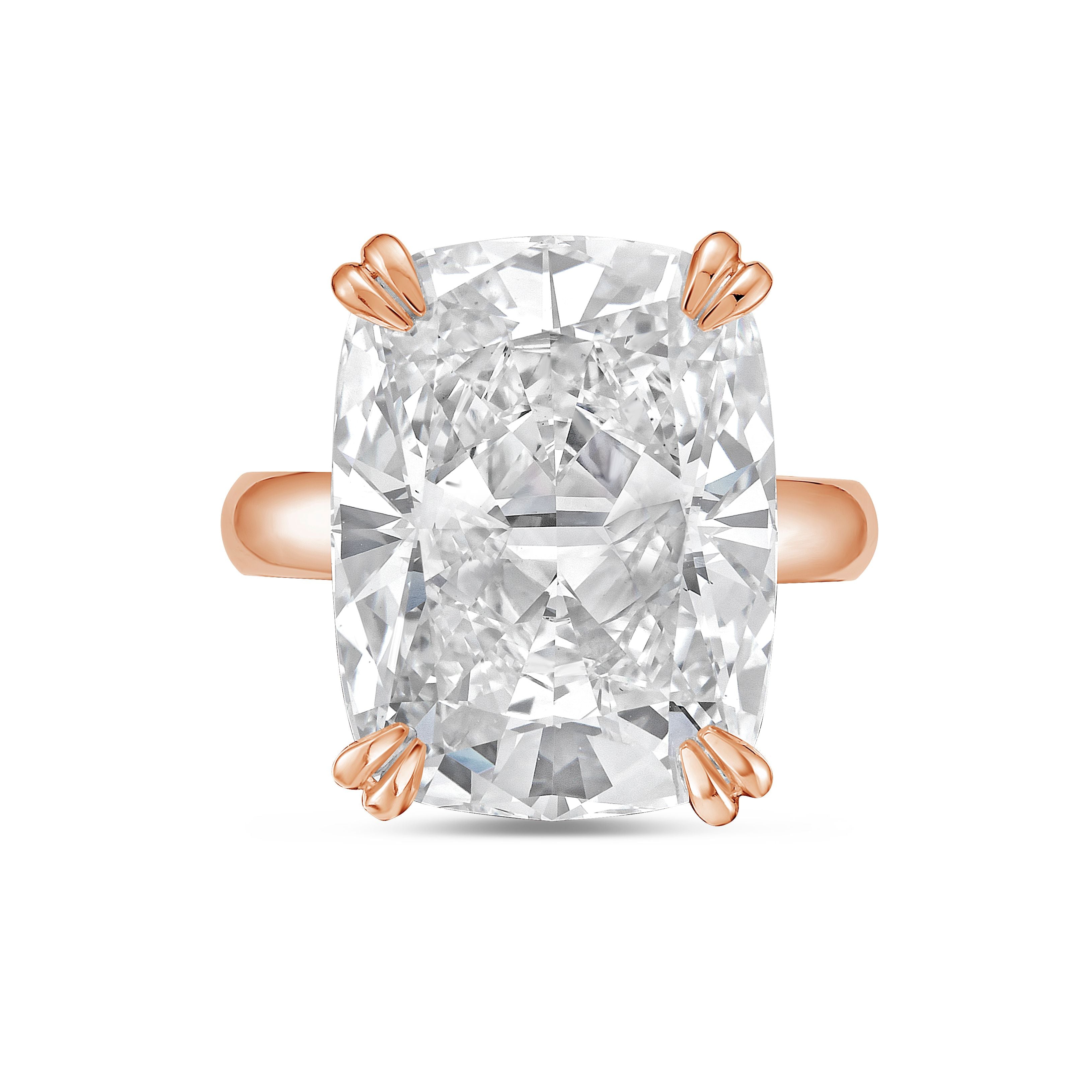


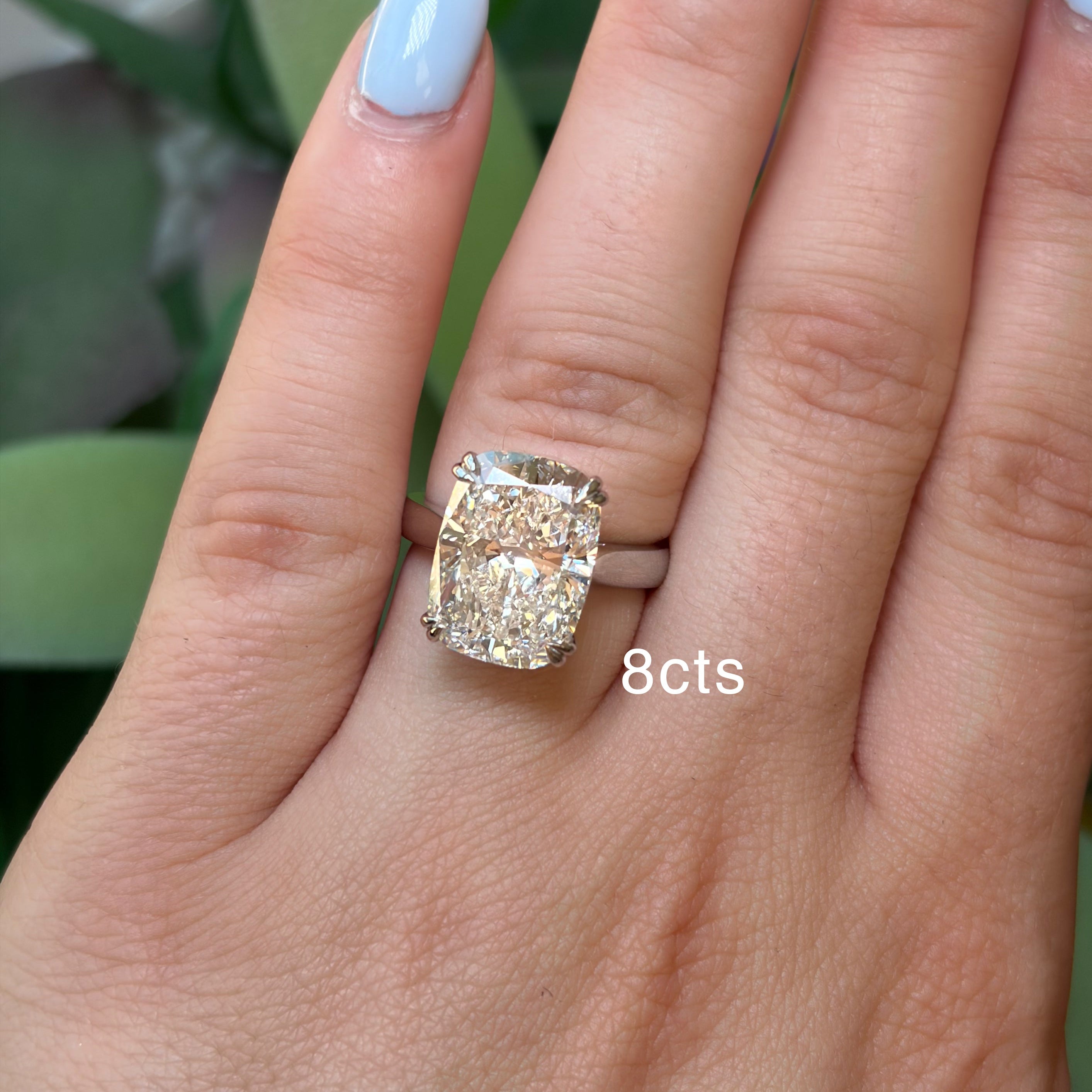

Lab-Grown Elongated Cushion Diamond Double Claw Engagement Ring, 14K Gold
Tax excluded. Shipping calculated at checkout
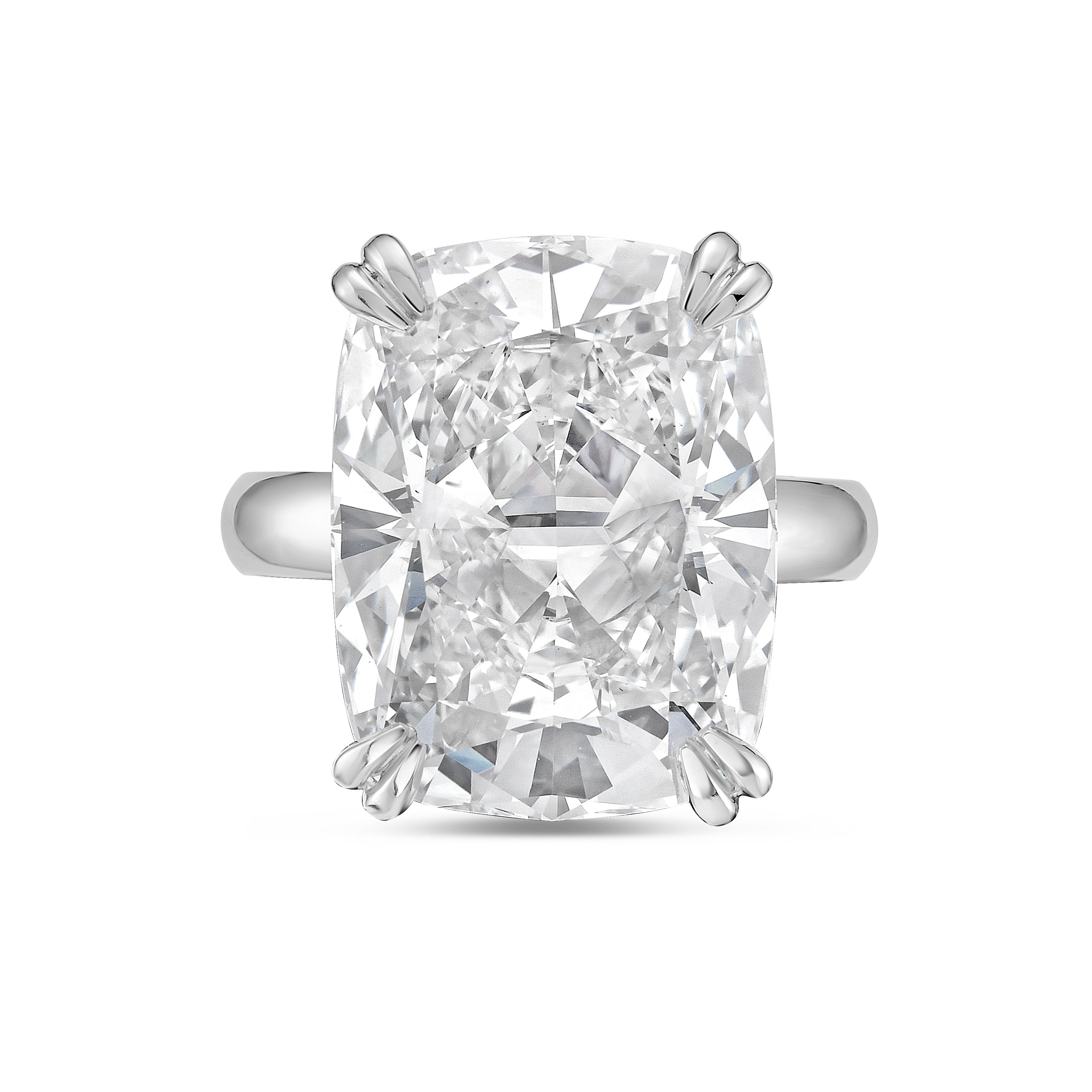
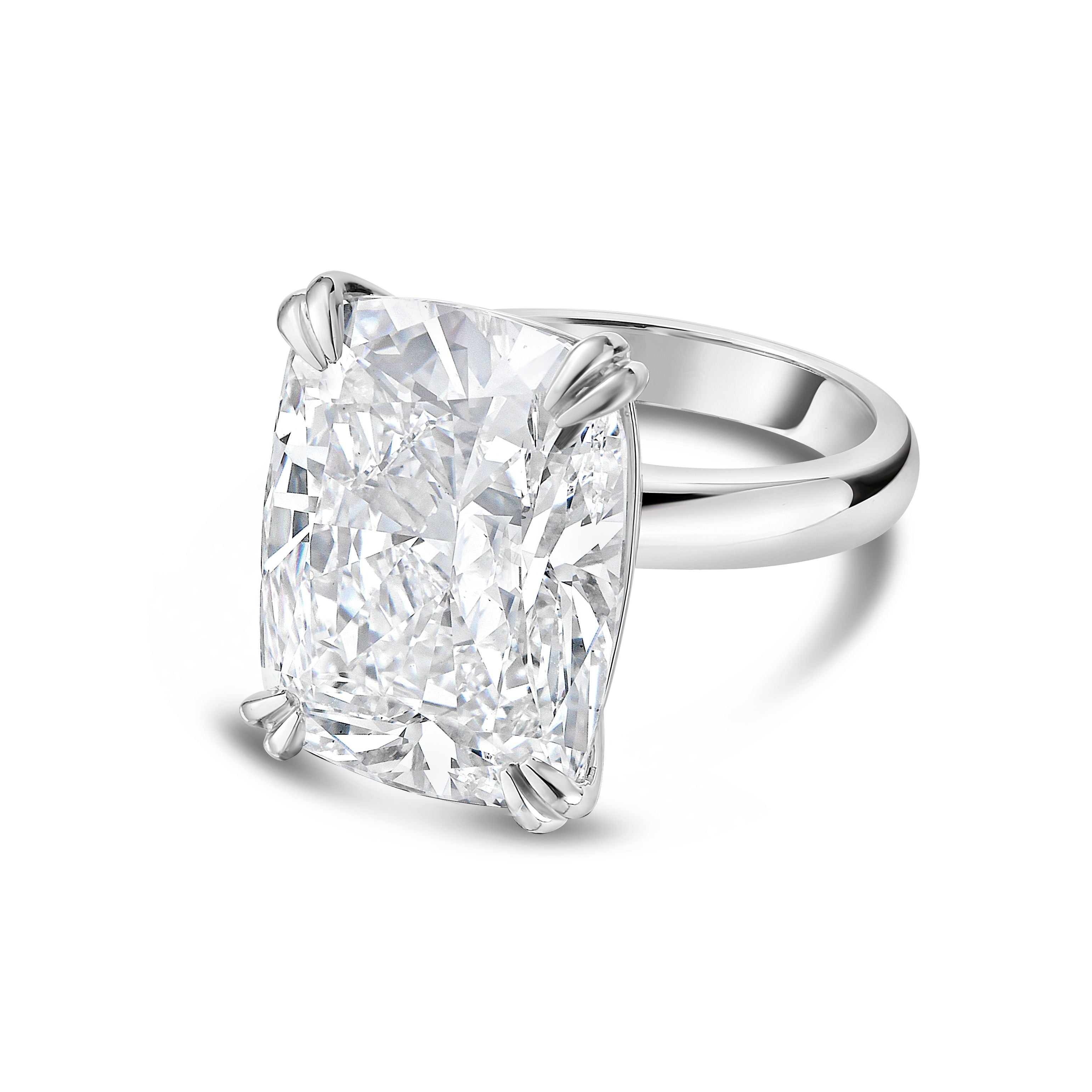
14kt Gold Lab Grown Cushion Double Claw Engagement Ring:
- Lab-grown elongated cushion cut center diamond
- Double claw (split prong) setting at each corner
- DEF color, VS clarity, excellent cut
Insured Shipping
%20setting%20at%20each%20corner%0ADEF%20color,%20VS%20clarity,%20excellent%20cut%0A)
Lead Time
If the item is not in stock, please allow 2-4 weeks for delivery.
Complete Description
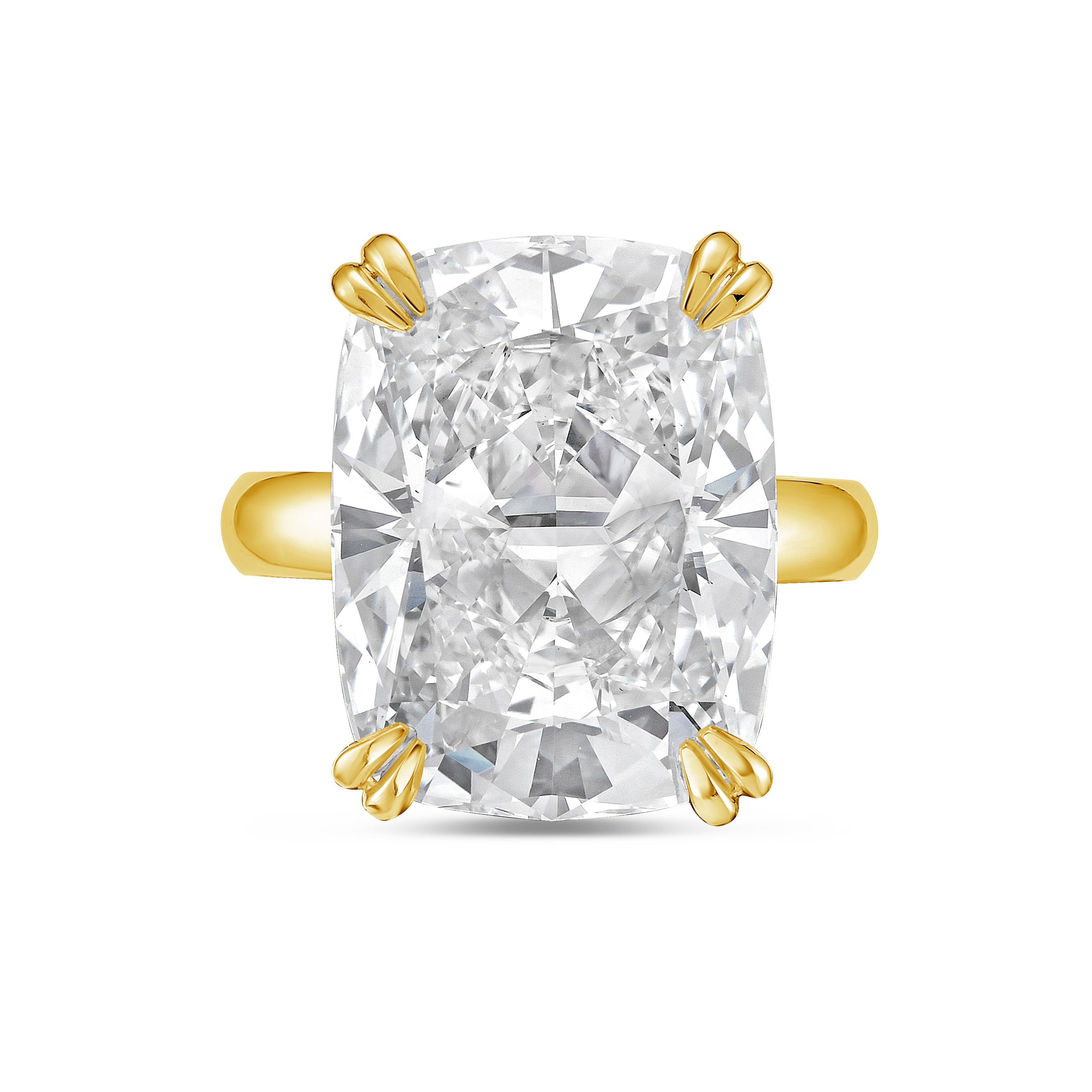
A lab-grown elongated cushion cut diamond in a double claw setting — each corner of the cushion held by a split double prong rather than a single prong, creating a more secure hold and a distinctive visual where the claws bracket each corner of the stone. Available in 14k white, yellow, or rose gold, in 13 carat weight options from 1ct to 30ct, starting at $1,100. Every diamond is DEF color and VS clarity with an excellent cut grade.
The elongated cushion cut
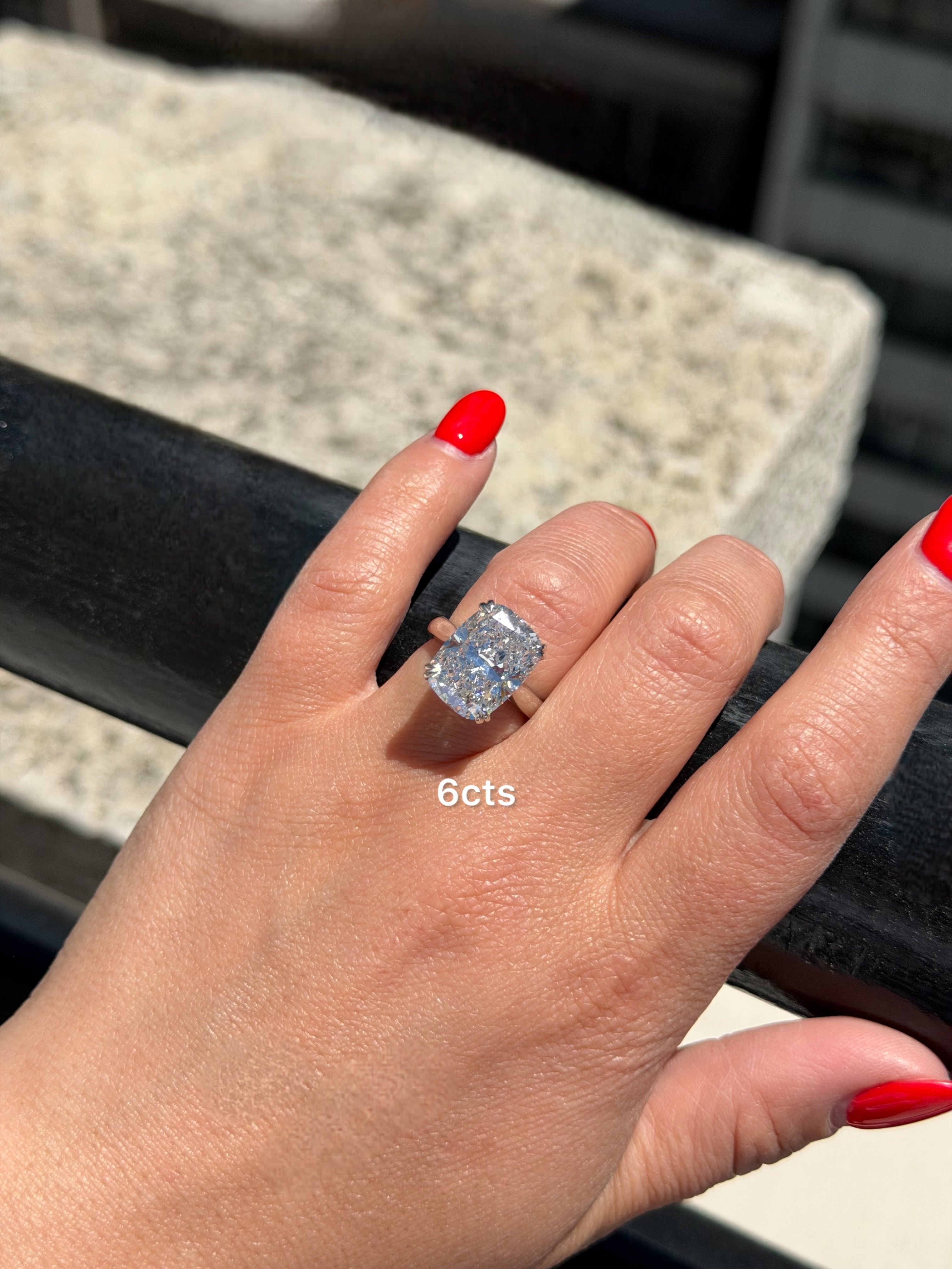
A standard cushion diamond has approximately equal length and width — roughly square with rounded corners. An elongated cushion stretches the length-to-width ratio, reading more rectangular. The elongated shape wears longer on the finger than a standard cushion, similar to the effect of an oval cut, while maintaining the cushion's characteristic rounded corners and pillow-like depth. This is a meaningful distinction: buyers specifically seeking a more finger-elongating silhouette among cushion styles will find the elongated version here.
The double claw setting
A double claw (also called a double prong or split claw) setting uses two prongs at each corner of the stone rather than one solid prong. The two prongs bracket and grip the corner of the cushion, distributing the hold across a broader contact area. This creates more security for the diamond at each corner, and the split prong tips create a distinctive aesthetic — more architectural and deliberate-looking than a standard single prong. Double claw settings are common in high-end bespoke cushion engagement rings for this combination of security and visual distinction.
How it wears
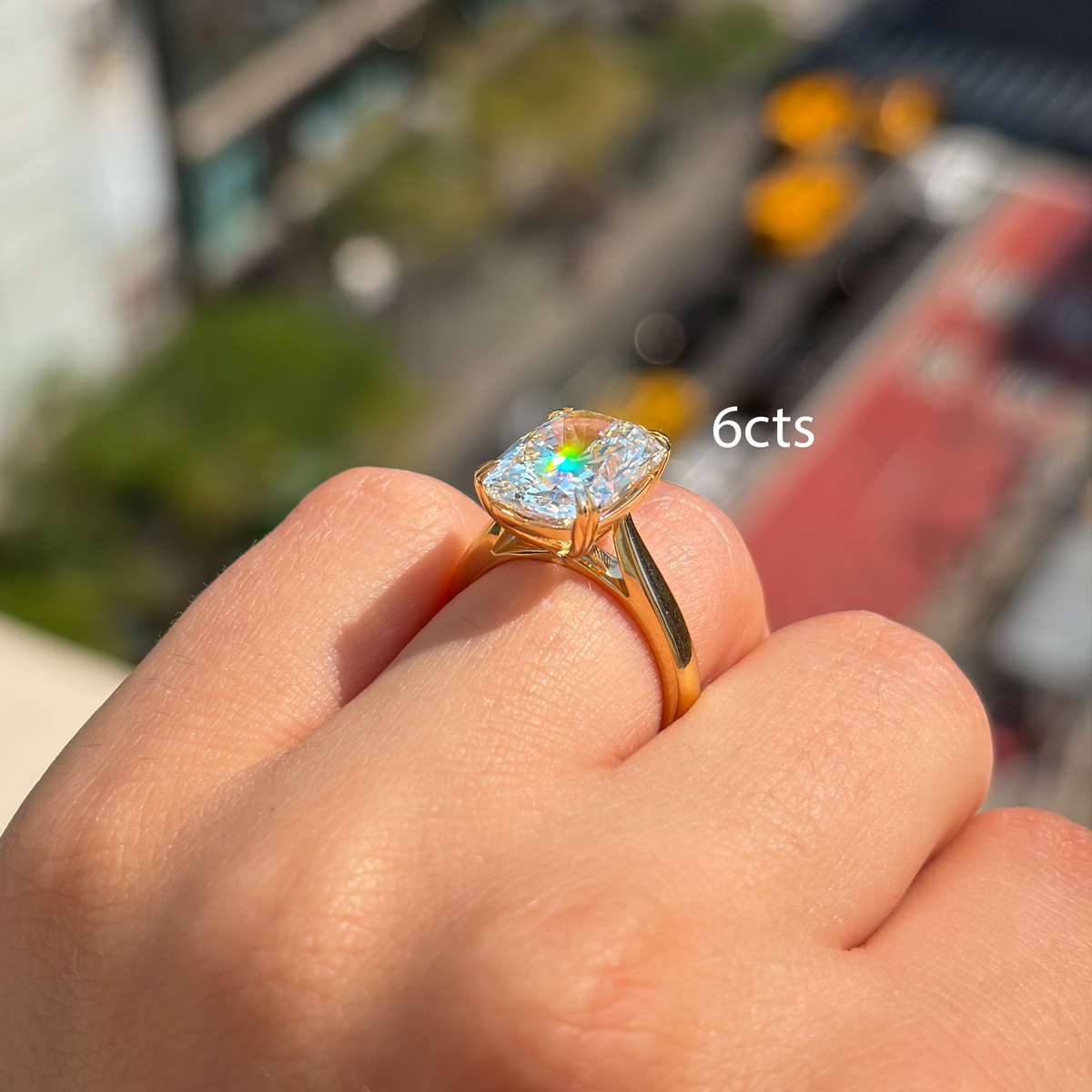
An elongated cushion in a double claw solitaire reads as a clean, confident ring — the elongated shape stretches the finger visually, and the absence of a halo or side stones keeps the design quiet and focused on the center diamond. At 1–3ct the ring reads as a refined, modern everyday ring. At 5ct+ it becomes a visible statement engagement ring. At 10ct and above it moves into high-jewelry scale.
For wedding band pairing: a straight pavé or plain band sits cleanly against a solitaire. A thin knife-edge band is the most minimal option. A slightly curved contour band is unnecessary here since there's no halo to nest against.
Choose options
Frequently Asked Questions
We welcome custom inquiries. If you'd like to explore a different scale, diamond ratio, or design variation, please use the Contact to Inquire button and our team will be happy to discuss options with you.
A double claw setting uses two prongs at each corner of the diamond rather than one solid prong. The two prongs bracket and grip each corner of the cushion stone, providing more secure hold and a distinctive visual where the prong tips are split rather than single points. It's a design choice associated with higher-end bespoke engagement rings for both its security and its architectural aesthetic.
Yes. Lab-grown diamonds are chemically, physically, and optically identical to mined diamonds — the only difference is how they're produced. They're graded on the same 4Cs standard (cut, color, clarity, carat weight) and have the same hardness (Mohs 10) and brilliance.
A cushion cut diamond has a square or rectangular shape with rounded corners. An elongated cushion has a higher length-to-width ratio — typically 1.15:1 or greater — meaning it reads more rectangular than square. The elongated shape wears longer on the finger than a standard cushion, creates a more finger-elongating silhouette, and shows more surface area at equivalent carat weight.
The carat weight you select refers to the center elongated cushion diamond. There are no side stones on this solitaire — the listed weight is the entire diamond weight of the ring.
A solitaire without a halo pairs cleanly with most straight wedding bands. A thin pavé band, a plain knife-edge band, or a bezel-set eternity band all work well. The double claw prongs sit close to the finger, so most bands with a standard profile will sit flush without a gap.